
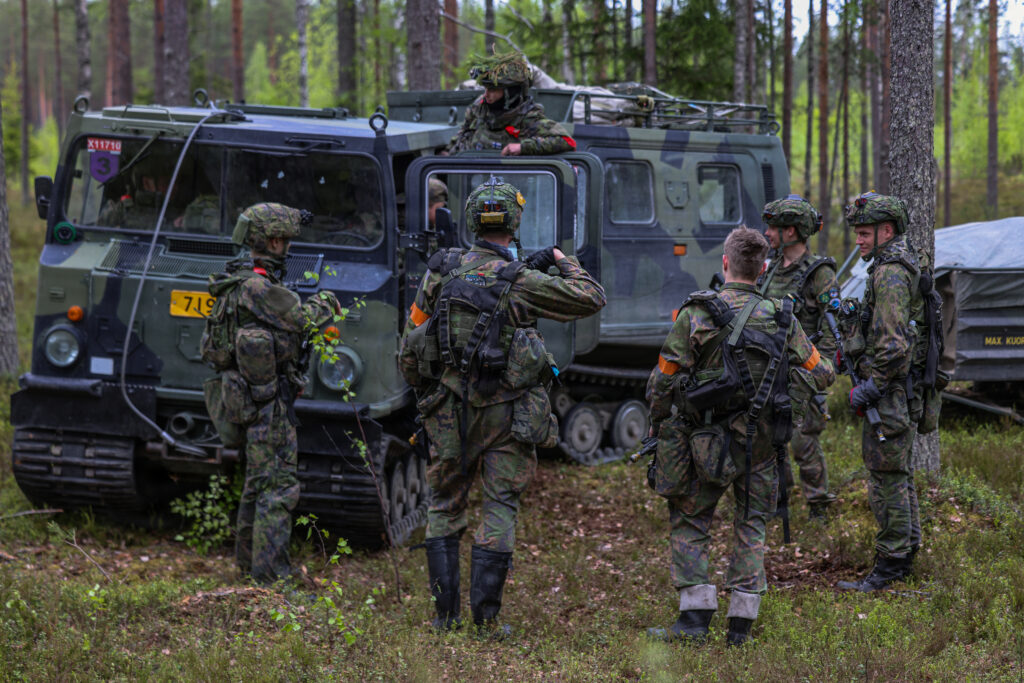
Finnish military officers have warned that outdated combat methods still dominate conscript training and that some of the tactics being taught would not work on a modern battlefield. Officers interviewed anonymously by Helsingin Sanomat argue that Finnish infantry and mechanised units remain too reliant on concentrating hundreds of soldiers for movement and attacks, formations that can now be easily detected and targeted by drones.
The article has sparked major discussions in Finnish military circles. The Finnish Army’s head of training, Colonel Mikko Saarelainen, said the criticism is partly justified, acknowledging that troops need to become capable of operating in smaller, more dispersed groups.
The officers blame the slow adaptation on a conservative institutional culture, inadequate drone equipment and the short duration of conscript service. They say the drones currently available for exercises are poorly suited to realistic training and are not being used appropriately. Several officers consequently argue that conscripts should serve longer to allow new methods to be properly taught, while established training practices and resistance to change further slow the adoption of lessons from contemporary drone warfare.
Read the entire piece in Yle.