
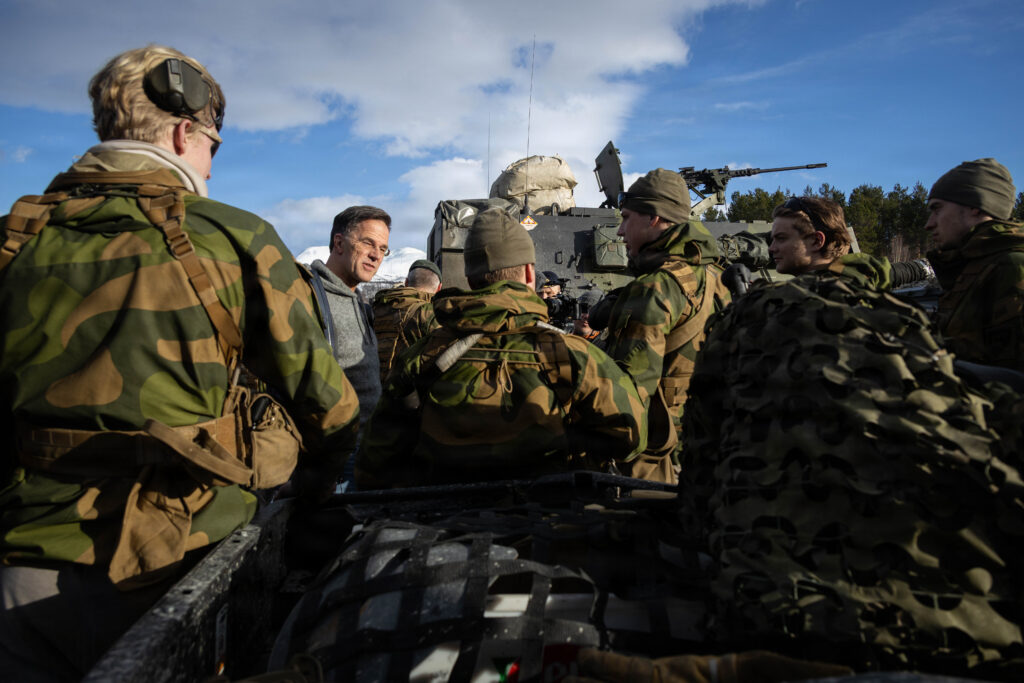
Norway’s military representative scheme, which speaks for approximately 10,000 conscripts, says soldiers want more extensive weapons, field and role-specific training throughout their service. Some personnel, particularly those in support roles, report barely visiting a shooting range or conducting field exercises after basic training. National representative Erik Gullikstad argues that every conscript position should be clearly defined and accompanied by realistic preparation for the tasks the soldier would perform during a crisis or war.
The employee representative scheme in the Armed Forces (TVO) meets soldiers who say that they have hardly been to the firing range since the recruit period, and much less spent time in the field. And yes, it is true that not all soldiers should be on the front line with rifle in hand. (…)
Perhaps with the exception of our combat units, service-specific quantity training is far from reality in most parts of the Armed Forces. (…)
It is particularly critical when this has an impact on the experience of a meaningful service. In conversations with the soldiers, it emerges that one of the most important factors for thriving in the service is the feeling of contributing to the Armed Forces, and that one’s efforts are important.
Read the entire commentary in Forsvarets forum.