
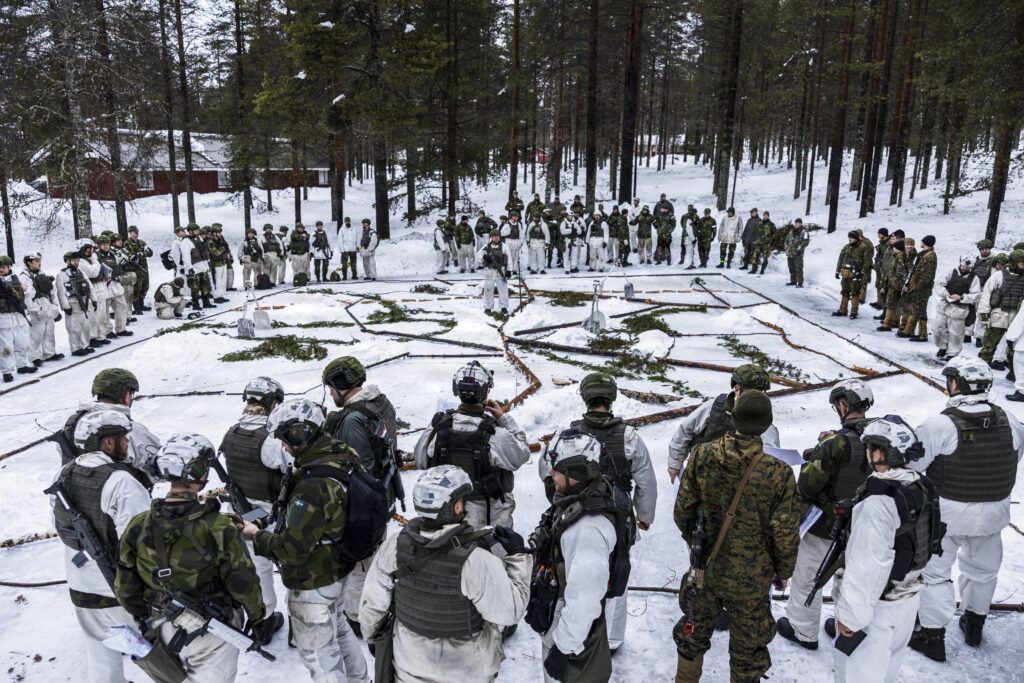
An internal Swedish Army investigation found that 83 of 497 officers, cadets and conscripts (around 17%) suffered cold injuries during winter exercises at K 4 in Arvidsjaur and I 19 in Boden in January, when temperatures dropped as low as –37°C. Forty-seven cases were classified as first-degree injuries, while nine were third-degree, in some cases involving tissue necrosis.
The investigation blamed inadequate risk management, insufficient equipment and attitudes that discouraged personnel from taking warming breaks. Some troops exercised for up to eight hours with only a 45-minute lunch break, while investigators found a culture in which going indoors to warm up could be regarded as “wimpy.” The standard Vinterkänga 90 winter boot was also designed for temperatures only down to roughly –20°C to –25°C.
The Army is introducing a new risk-assessment template and revising its cold-weather training following the incident. Investigators noted that although participants had completed a cold-weather course beforehand, many said afterwards that they did not feel adequately prepared.
Read the entire piece in Officerstidningen.