
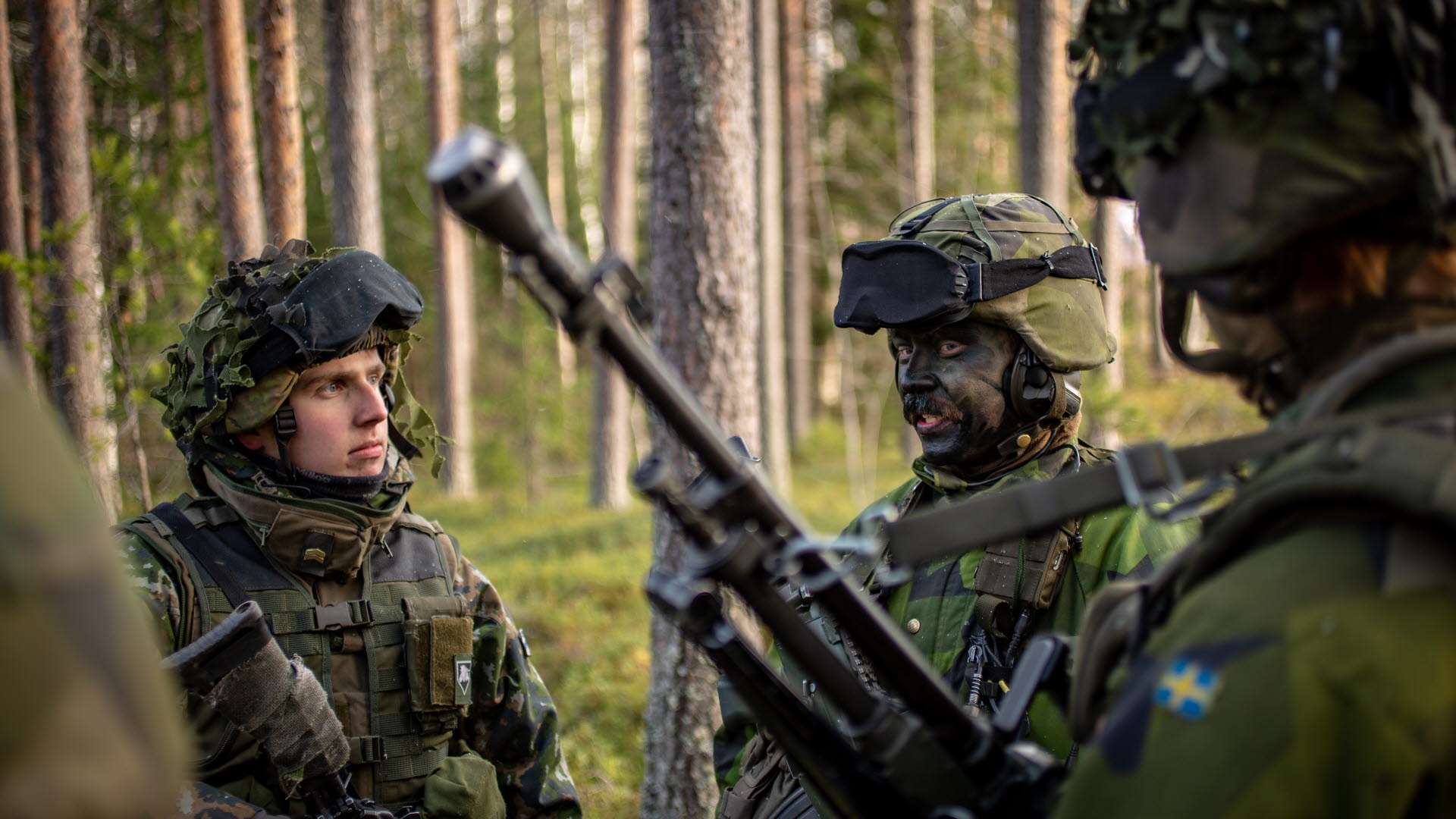
The Nordic model may inflate the sort of numbers politicians like to recite at press conferences, but it does little to make northern Europe safer in any meaningful sense.
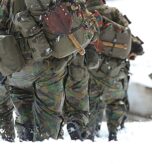
Conscription is back on Europe’s agenda. Croatia has revived the draft; the Nordic and Baltic states already field conscript-heavy forces, and their neighbors are lining up to follow suit. After months of coalition talks, Berlin’s own flirtation with conscription has been scaled back. For now, the government will limit itself to mandatory screenings for young people and a package of new enlistment incentives. But the agreement is conditional: if the new incentives don’t deliver, the chancellor has signaled he is prepared to move to compulsory service.
What most people miss is how sharply Finland, Sweden, and Norway’s “total defense” model is driving the new conscription push. In fact, German defense minister Boris Pistorius is on record saying he has “a soft spot for the Swedish model”, seeing it as a template for a revamped German system. The trouble with this new fashion is that northern Europe’s conscription is far from the success story it is made out to be. The downsides show up in domestic news, but never get international coverage. What makes it across borders is mostly diplomatic PR and patriotic self-indulgence in fantasies of strength. The result is a romanticized Nordic myth.
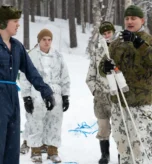
Yet for thousands of young men in the North of Europe, there is little romance about compulsory military service that means months of full-time work paid at rates so low they would be illegal in any civilian job. The worst of them is Finland, where new conscripts endure starvation-level wages of around 7 dollars a day. Finland’s Conscript Union has long campaigned for better pay, pointing out that most prisoners earn more than the conscripts serving their country. The campaign has yet to budge the political class. In Norway, low pay and long stretches of downtime leave many conscripts scrambling for second jobs to stay financially afloat.