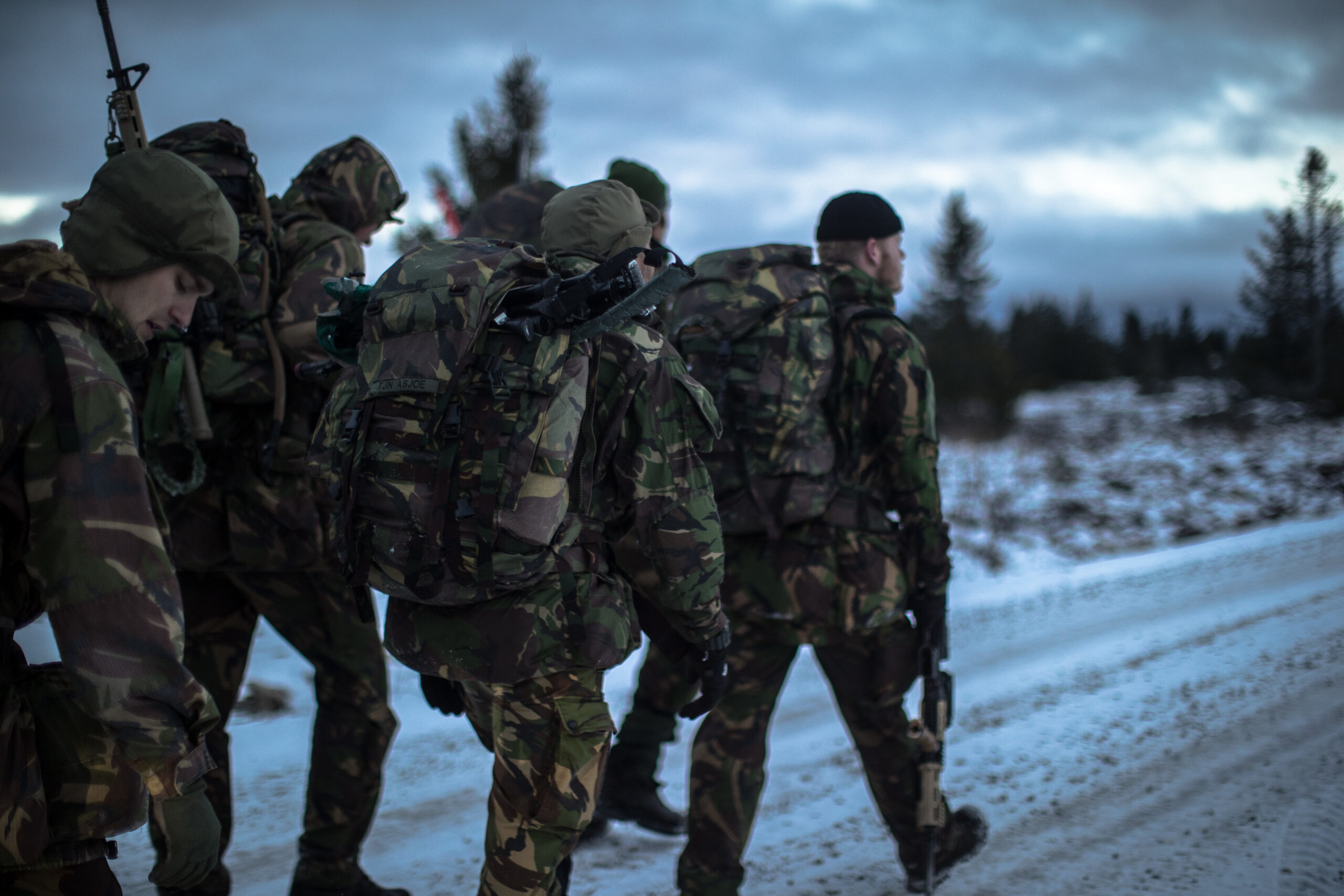

Fitness
One of the most consistently brought up selling points of conscription is its health impact on the young generation. Yet the fitness outcomes of conscription look far bleaker than advertised. The forced nature of conscription often leads to recruits being unprepared for the physical demands of military service. This results in higher injury rates and diminished overall fitness levels among conscripts.
Conscription’s Coercion Drives Poor Preparedness and Poor Physical Health
The “Health Benefit” Claim Collapses Under Evidence
Studies across countries show that conscription does not reliably improve health and can even produce measurable long-term deterioration rather than the promised fitness dividend.
Temporary Fitness, No Lasting Preparedness
Even where basic training boosts endurance or performance, the gains frequently erode after service, leaving little durable improvement in readiness once conscripts return to civilian life.
Military Diets Train Bad Habits
Military service can push conscripts toward stress-driven, convenience-based diets, especially increased sweets orsnacking, while any early improvements in “healthy routines” tend to fade once the strict structure loosens.
A study of South Korean Conscripts titled Conscription Hurts showed that soldiers suffered from poorer health even eight years after they were discharged from military service. Respondents report significantly worse overall physical health after they have been drafted into the forces compared to individuals without any military experience. Their health deterioration ranges between 3.5% and 12% compared to the mean. Most importantly, this negative effect of military service on physical health lasts for a whole decade. At the same time, the control group carefully set up in the study, does not report any different health levels three years prior to their service. It is conscription that is solely responsible for the damage observed.
In other countries, the results are mixed at best. In Estonia, the physical transformation one might expect from ten weeks of basic training does not materialize. The conscripts maintain their body mass and BMI throughout the period unchanged, despite the physical demands placed upon them. While there is evidence of anabolic adaptation—small signs of muscle growth and a slight increase in testosterone—this progress is tempered by concerning findings. Iron levels decrease, and there is a significant prevalence of vitamin D deficiency, which worsens over time. In Switzerland, some improvement in physical fitness was observed as a result of the demanding military routine. Yet military training is centred on endurance. Muscle growth remains limited in a regimen that relies heavily on stamina.
In Norway some studies have found that the soldiers do have their maximal oxygen uptake increase during basic training, but only by 5% and only for conscripts in the worst health condition. No change was seen in the subjects with a medium condition, while soldiers with the highest initial level of fitness tended to experience a decrease even! 3-km running performance improved by 7% during the compulsory service. However, once soldiers left basic training the oxygen capacities decreased in everyone. All that effort was therefore in vain since the progress obtained only by the least fit was lost then within 6 months.
A study on Finnish conscripts found that there was a small decrease in risks of disease due to obesity as a result of conscription. Soldiers also decreased their blood pressure, however, their cholesterol and glucose levels worsened and their lipid profile deteriorated. After the first 3 months of training which tends to be the most intense, soldiers would lose 2kg of body mass, but then gain back 1kg in the next three months. On average there was some improvement in running distance and muscular performance, but what is the most interesting is the difference between the men who were physically active and inactive before their service. The largest effects were observed on the most obese individuals, however, little improvement in physical fitness was seen in conscripts who were doing sports before the service.
“No improvements in the 12 min running were observed in subjects belonging to the second and third quartiles. (…) identical military training for persons representing the different BMI quartiles has an expected, favourable impact only on those with poor physical fitness and muscle strength at baseline”
Conscription in Finland is an utter waste of time for those who take their physical health seriously. Even with some additional training, the total amount of physical training for a significant portion of conscripts is not as challenging as in their normal lives. In a 2020 study, it was even shown that:
“Conscripts who were initially in the highest fitness quartiles showed a decline in performance in all assessed fitness variables”
That is military service en masse in its full glory. The strongest men we should rely most on for national defence made weaker, less athletic, and more unhealthy by the institution of conscription.
Long Term
The Rebound Effect Erases
the “Fitness Dividend”
Reservist Readiness Decays Without Full-Time Structure
The most disastrous effect, however, is the long-term loss of any gains made. A rebound effect occurs in conscripts once they are freed from the service. Men who may have made some fitness progress under the hostile pressure of the army, simply cease to follow those habits, once free of compulsion. Evidence shows that any possible condition gains made, are lost, and thus no lasting change is observed to their life.
In the South African Defence Forces, the basic training had some positive results. During the test period, the running and endurance performance was enhanced. However, all the effects were transient and fitness levels a year later were exactly the same as those documented before military conscription. Even in the American army the soldiers in reserve, despite regular training on one of the weekends each month may be prone to struggle with their physical condition more than active-duty soldiers not just after deployment but also in their everyday health and well-being. U.S. National Guard units deploying to Iraq typically required roughly four months of post-mobilization “train-up” before entering theater—an indicator of the additional readiness work often needed for part-time forces. This feeds longstanding concerns that reservists, on average, do not sustain the same day-to-day readiness as active-duty soldiers.
Conscript reserve systems compound the problem: infrequent call-ups cannot meaningfully maintain physical fitness or reinforce professional standards, and reservists more often fail fitness tests and display poorer health behaviours. Once individuals leave the military’s structured environment, their operational utility tends to erode quickly, and occasional refresher exercises are rarely enough to reverse that decline.
What is then even the point of training conscripts for endurance and strength? If the goal is maintaining a reserve force, then it is absurd to invest in training that will quickly lose its effects once a conscript returns back home. There are no societal effects of stimulating the health of the nation. There are no effects on preparedness for conflict engagement. It is pointless sweat.
The process of building the conscript reserve in that aspect is an utter waste. Unlike the professional army that maintains its soldiers in top-notch condition for long years, with men dedicating their lives to such service and staying in great shape even for decades, draftees freed from the oppression of conscription continue to live their lives as before, unbothered by effects on preparedness for military conflict. A gruelling exercise regimen for the creation of reserve force is an entirely futile exercise.
Sleep Patterns
Military Schedules UNNECESSARILY
Fight Human Biology
Sleep Loss Undermines Skills
Not Just Fitness
Long-Term Sleep Disruption Outlives the Uniform
One of the strongest disruptions brought by the military is that to one’s sleep cycle. Conscripts are woken up at ungodly morning hours and then kept busy till late night hours. In boot camp sleep deprivation might even be purposeful, but in the later in the training process it is a fully unintended consequence of military service. Naturally occurring sleep patterns are in direct conflict with the schedules of contemporary military training. When left to their own devices recruits would have later bedtimes and awakenings, as well as much longer sleep periods. Research consistently shows that men in the army regularly have insufficient amounts of sleep.48 For instance many of the Finnish conscripts might have chronic partial sleep deprivation.
While it was previously established that little improvement is to be obtained from conscription in terms of physical fitness, sleep deprivation will effectively hurdle gains in the non-physical skills sphere. An interesting study was conducted, on a group of recruits that were allowed to sleep at a normal human schedule from 11 pm to 7 am. Although the number of hours dedicated to sleep in the schedule was the same as for regular soldiers they would suddenly have 31 more minutes of total sleep per night, just as a result of breaking the insane army habit of pre-morning wake-up calls. Trainees under less hellish sleep hours experienced less anger and overall mood disturbance, though these differences faded during Basic Combat Training. However, throughout training they consistently reported feeling more energized, they also were twice less likely to have occupationally significant fatigue at the end of training. Those trainees also had improved their rifle marksmanship. The strongest effect of improved sleep was on the effectiveness of training.
The sleep deprivation brought by the army purely out of tradition’s inertia makes the training less efficient and consequently the troops less prepared for waging war. The worst of course it is in the case of conscripts, who do not have sufficient time, during their much shorter training to adapt to this military hardship. And the effects of disrupted sleep patters can continue on after military service.
Diet
Diet by Decree:
Conscripts Lose Food Autonomy
Stress Turns Food Into Comfort
and Social Glue
Healthy Routines Fade Fast
Unhealthy Habits Linger
Finland: Significant Rise in Sweet Consumption
Finland: Eight-Week “Reset” Point
Better Meals, Worse Snacking
Every-Second-Weekend Leave Drives Indulgence
Armed forces have a monumental impact on conscripts’ eating habits. During military service, it is the state that decides the frequency, quality and quantity of meals that will be provided to the soldiers. Army men’s diet is at the mercy of the state, except for some irregular private snack consumption. And this is yet another area where the unintended consequences of conscription can come in full force.
A 2011 study of Finnish Conscripts shows a significant increase in the consumption of sweet foods during their period of mandatory army service. Interestingly, while their sugar intake rose, their stated attitudes toward health-related eating did not change, merely their actions. Compared to the general male population, these conscripts showed less interest in healthier food choices, even though health education is part of military training. Researchers posit that the demanding nature of military service, with its intense routines, may overshadow any health-promoting messages, making it difficult for individuals to stick to healthier eating habits. Even those who entered the service with a strong interest in health found it hard to maintain healthy eating patterns. While in the civilian world men educated on health aspects would avoid fat-heavy products, under the stress of conscription they cease to be driven by that knowledge.
According to that study, the physical and mental stresses of military service likely elevate the role of food as a source of comfort, similar to patterns seen in high-stress environments like prisons and hospitals. Soldiers bond over shared snacks—especially sweets—as a way to cope with the rigours of service and assert some autonomy in an otherwise controlled setting. This shift in food preferences is also driven by what is available. Soldier’s homes and food vendors outside military garrisons offer a variety of snacks, and thus it’s the sweet, not the fatty or salty, options that serve as the primary indulgence for many conscripts. Social eating at these locations becomes a communal experience, offering pleasure and release from the demands of military life. Detrimental food consumption is simply escapism from the suffering of military life.
Another 2010 study from Finland shows an interesting pattern that compliments the aforementioned findings. During the first eight weeks of service, conscripts adopted certain healthy habits. Healthy meal regularity was established, and consumption of fibre-rich foods such as fresh vegetables, fruits and berries increased, while fast food consumption decreased, but still, the consumption of sweets and crisps increased. After the eighth week, eating habits reverted to those typical of civilian life, and the previously gained healthy habits were lost. Meanwhile, unhealthy habits, such as high consumption of sweets remained. At the same time, one more challenge arises in keeping a healthy habit for Finnish conscripts, which is the leave period every second weekend. As it is a time of freedom from orders and a strictly structured life, conscripts tend to indulge at that time and data shows that men completely let go of any concern about their food intake, drastically reducing consumption of healthy products.
Once again conscription serves as a force levelling everyone to the lowest common denominator, this time when it comes to dietary habits. An incredibly overweight soldier will be a rare beneficiary of a conscription-enforced regimen, as he finally gets in some exercise, and can’t binge eat at all times of the day. However, most soldiers, who would otherwise eat healthy are then driven by military service to poor eating habits.
If a conscript was already fighting his tendency to snack or overeat, military service would provide both the time and the stressful environment for temptations to break his will. A conscript without such habits entering the service is still likely to pick them up, influenced by service pressure and the easy availability of unhealthy options. A draftee may eventually leave the military, but the unhealthy dietary habits entrenched during service often stay with him, damaging his physical health long after his return to civilian life.
Explore the evidence
Conscription Hurts: The Effects of Military Service on Physical Health, Drinking, and Smoking
Anabolic Adaptations Occur in Conscripts during Basic Military Training despite High Prevalence of Vitamin D Deficiency and Decrease in Iron Status
Effects of a 7-Week Outdoor Circuit Training Program on Swiss Army Recruits.
Physical Fitness and Physical Training during Norwegian Military Service.
Nutrition and other lifestyles of conscripts and health risk factors during service : Six-month follow-up study
Food Choices and Health during Military Service: Increases in Sugar- and Fibre-Containing Foods and Changes in Anthropometric and Clinical Risk Factors.
Dexa Body Composition Changes among 140 Conscripts.
Effect of body composition on the neuromuscular function of Finnish conscripts during an 8-week basic training period
Effects of Baseline Fitness and BMI Levels on Changes in Physical Fitness during Military Service
The South African Defence Force physical training programme. Part I. Effect of 1 year's military training on endurance fitness
Body Composition and Physical Fitness Tests among US Army Soldiers: A Comparison of the Active and Reserve Components.
Snoring Was Related to Self-Reported Daytime Sleepiness and Tiredness in Young Adults Performing Compulsory Conscript Service.
Accommodating Adolescent Sleep-Wake Patterns: The Effects of Shifting the Timing of Sleep on Training Effectiveness
Nutrient Intake and Food Use of Finnish Conscripts in Garrison, on Leave, and in Encampment Conditions